
Kaitiakitanga — guardianship and protection
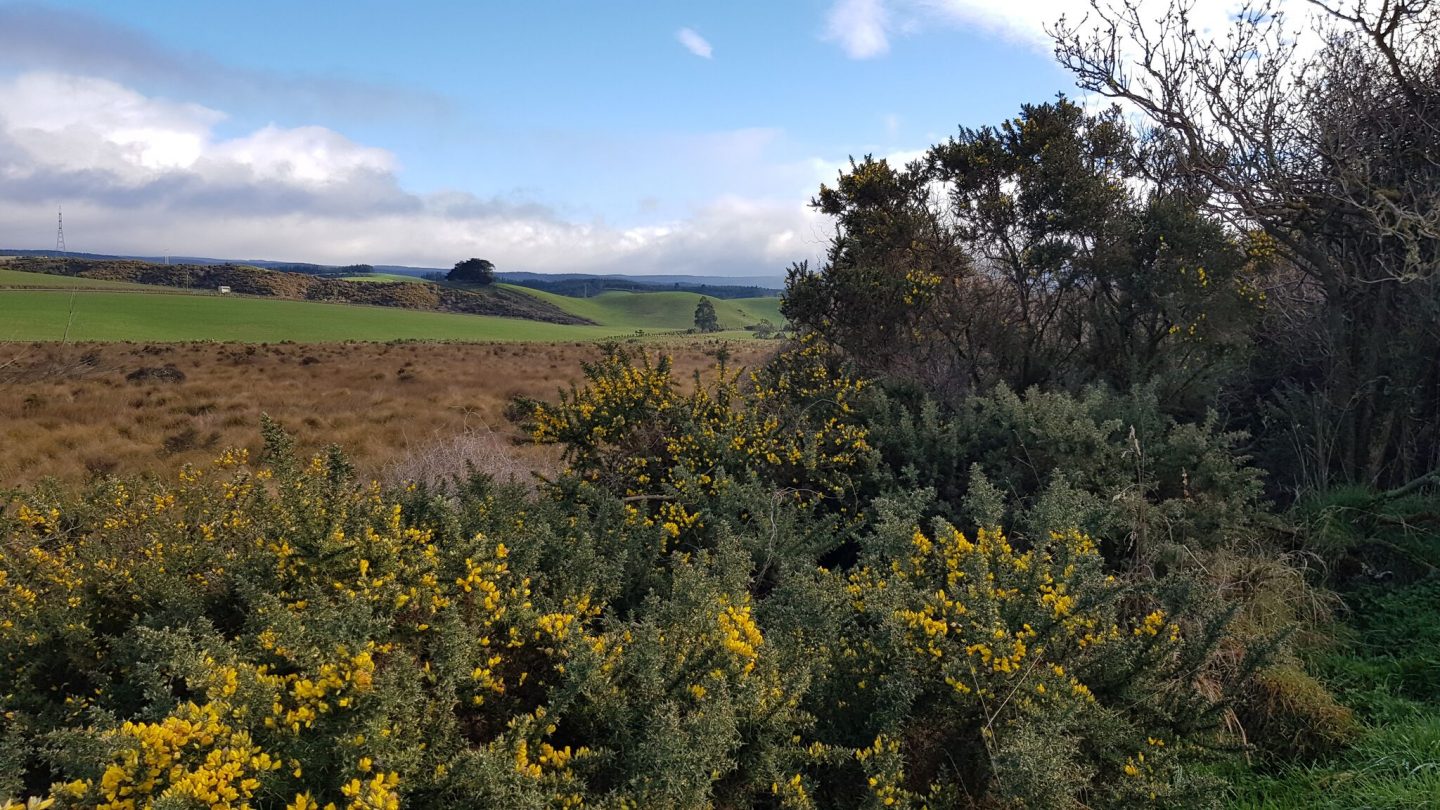
Back to Nature Tours has contributed to many community conservation projects over the years, including the internationally renowned Sinclair Wetlands (Te Nohoaka o Tukiauau), 40 minutes south of Dunedin.
New Zealand’s native biodiversity is unique, born from millions of years of geographic isolation and the absence of mammals (bar three species of bat). Many of its flora, fauna and ecosystems have evolved in a distinctive way and exist nowhere else.
The US biologist Jared Diamond described studying New Zealand’s wildlife as being like studying ‘life on another planet’.
Since the arrival of Māori and Europeans, mammals have been introduced and much of the original forest cleared — once forested coast to alpine tree-line, only a quarter remains. Introduced predators have driven many largely defenceless native species, particularly ground-dwelling flightless birds, towards extinction.
The Department of Conservation is largely responsible for protecting our native species so future generations can enjoy them. Recognised as world leaders in conservation, they nonetheless need continued help from local communities, businesses and private organisations to meet their targets.
The Otago Peninsula is home to several rare species, and many locals donate their time to various projects. We concentrate on a predator-control programme we hope to continually extend, aiming to increase populations of yellow-eyed penguins, sooty shearwaters and jewelled geckos in the areas we operate. If you’d like to make a donation or ‘sponsor a trap’, please get in touch.
Back to Nature Tours also donates a minimum of 100 hours’ labour each year to the Sinclair Wetlands (Te Nohoaka o Tukiauau). Linking Lake Waihola and Waipori on the edge of the Taieri Plains, the wetland is home to more than 60 species of birds.
Sponsor a trap or support our predator-control programme — every contribution helps native species recover.